
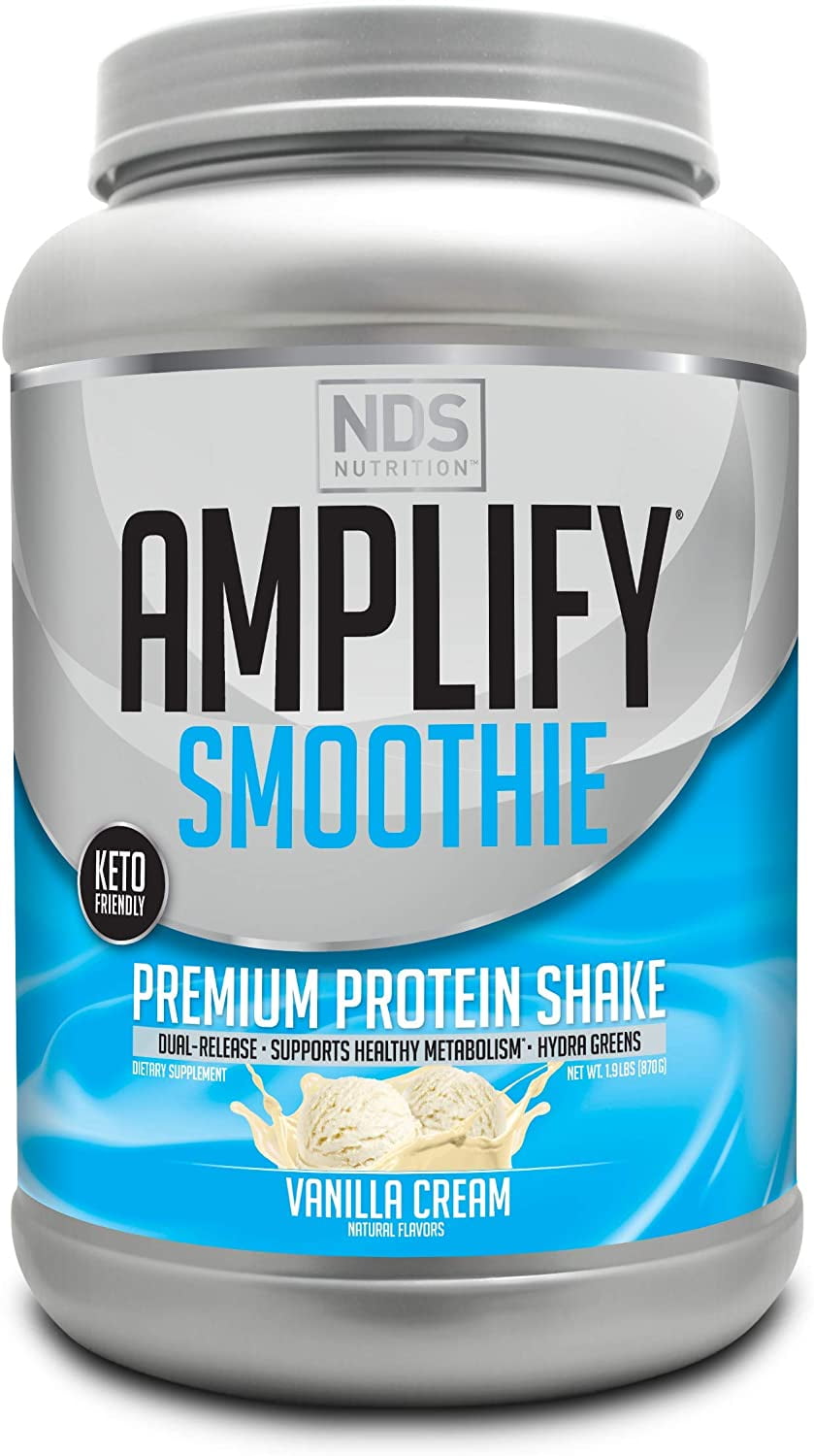
Protein shakes for muscle gain are a popular and effective supplement used by athletes, bodybuilders, and fitness enthusiasts alike to accelerate muscle development and recovery. Incorporating these shakes into your nutrition plan can help you meet the increased protein demands that come with intense training, ultimately leading to better muscle synthesis and strength gains. But not all protein shakes are created equal, and knowing how to optimize their use is crucial to maximizing your results. In this guide, we’ll explore the science behind protein shakes and muscle growth, how to choose the best options, when to consume them, and how they compare to whole food sources—empowering you with the knowledge to elevate your fitness journey.
The Science Behind Protein Shakes and Muscle Growth
Protein is the building block of muscle tissue, providing the amino acids necessary for muscle repair and growth after workouts. When you engage in resistance training or strenuous activity, your muscle fibers experience microscopic damage. Consuming protein subsequently triggers muscle protein synthesis—a biological process where your body repairs and builds new muscle tissue. Science shows that protein intake post-exercise significantly enhances this process, especially when the amino acid leucine is involved, as it acts as a pivotal trigger for muscle repair. Protein shakes offer a convenient high-quality source of these essential amino acids, making them a strategic supplement to support muscle hypertrophy.
Beyond just supplying amino acids, protein shakes influence hormones like insulin and mTOR signaling pathways that promote muscle growth. The rapid digestibility of certain shakes, particularly whey-based options, allows for quick amino acid availability, aligning perfectly with the post-exercise anabolic window—typically considered the 30-60 minutes following training. While whole foods can provide similar nutrients, their digestion is slower, which might not provide the rapid surge of amino acids needed immediately after workouts. Therefore, understanding how protein shakes interact with your body’s physiology reveals their powerful role in supporting muscle gain, especially when paired with a consistent resistance training program.
Choosing the Right Protein Powder for Optimal Gains

Selecting the appropriate protein powder depends on your individual goals, dietary preferences, and digestion tolerance. Whey protein, derived from milk, is often hailed as the gold standard for muscle gain due to its complete amino acid profile and rapid absorption rate. Its high leucine content directly stimulates muscle protein synthesis, making it an excellent choice for post-workout shakes. However, some individuals may experience digestive discomfort or have dairy allergies, prompting the need for alternative options. Plant-based proteins like pea, rice, or hemp offer sustainable, allergen-friendly choices, but may have a lower concentration of certain amino acids, requiring blend formulations for optimal results.
Personal factors such as taste, cost, and lifestyle should also influence your decision. For instance, casein protein digests slowly and can be beneficial for sustained amino acid release overnight or between meals, supporting muscle preservation. Egg white protein provides a complete amino acid profile and is free from dairy but might have a different texture or flavor. It’s also worthwhile to consider the ingredients list—opting for products with minimal additives, artificial sweeteners, or fillers. Ultimately, choosing the right protein powder involves balancing nutritional quality, personal tolerances, and convenience to ensure consistent, effective support for your muscle-building goals.
Timing is Key – When to Consume Protein Shakes for Muscle Maximization
The timing of protein intake significantly impacts its effectiveness in promoting muscle growth. Consuming a protein shake immediately post-workout taps into the so-called “anabolic window,” a period during which your muscles are particularly receptive to nutrient uptake. During this time, muscles are primed to absorb amino acids rapidly, maximizing protein synthesis and minimizing muscle breakdown. While recent research suggests that the window may be broader than previously thought—up to several hours—prioritizing quick-absorbing protein shortly after training remains a sound strategy for optimal gains.
In addition to post-exercise consumption, spreading protein intake evenly across your meals and snacks throughout the day supports continuous muscle repair and growth. For those who train early in the day, having a protein shake within an hour afterward optimizes recovery, while a late-night casein shake can help prevent muscle catabolism during sleep. The key is consistency and aligning intake with your training schedule. Ultimately, timing your protein shakes strategically not only enhances muscle protein synthesis but also complements your overall nutritional routine, making your efforts more effective and efficient.
Dosage and Frequency – How Much Protein Shake is Enough?
Determining the right amount of protein to consume via shakes depends on your body size, activity level, and specific goals. The general recommendation for muscle gain ranges from 1.2 to 2.0 grams of protein per kilogram of body weight per day. For someone actively trying to increase muscle mass, dividing this intake across multiple meals, including protein shakes, ensures a steady supply of amino acids. A typical post-workout shake often contains about 20-30 grams of protein, which has been shown to effectively stimulate muscle protein synthesis in most individuals. Consuming excessive amounts in hopes of faster results may be unnecessary and can put undue stress on your kidneys or digestion.
Frequency is equally important as dosage. Regularly consuming protein shakes, especially around workout times, can sustain anabolic signals and reduce muscle breakdown. Daily intake should be consistent, with some athletes aiming for 2-3 shakes per day, depending on their dietary protein intake from whole foods. Keep in mind that more isn’t always better; exceeding recommended amounts doesn’t necessarily lead to more muscle gain and might cause unwanted caloric surplus. Balancing your shake consumption with your overall nutritional plan ensures effective, sustainable progress while avoiding waste or over-reliance on supplements.
Beyond Whey – Exploring Alternative Protein Shake Options
While whey remains popular for muscle gain, numerous alternative protein sources can be equally effective and cater to diverse dietary needs. Plant-based proteins like pea, hemp, pumpkin seed, and rice proteins are excellent options for vegetarians, vegans, or those with dairy sensitivities. These formulations often blend multiple plant sources to create a complete amino acid profile comparable to animal-based proteins, though absorption rates may differ slightly. Sourcing high-quality plant-based protein shakes can diversify your diet and offer additional health benefits like fiber and antioxidants, making them a versatile choice for muscle recovery and general health.
Other innovative options include collagen peptides, which some athletes use for joint and connective tissue health, and egg white protein, known for its high bioavailability. Organic or minimally processed protein powders can also appeal to those prioritizing clean eating. Exploring these alternatives broadens your nutritional landscape, allowing for varied flavors and textures, and prevents monotony. Diversifying your protein sources can lead to a more balanced nutrient intake and sustainable long-term muscle gain strategy, especially when combined with a well-rounded diet and training regimen.
Protein Shakes vs. Whole Food Protein – Which is Better for Muscle Growth?
One common question is whether protein shakes or whole foods are more effective for muscle growth. While shakes provide a convenient, quick-absorbing source of essential amino acids, whole foods like lean meats, dairy, eggs, beans, and nuts offer additional nutrients such as fiber, vitamins, and minerals that support overall health and recovery. Whole foods tend to be more satiating and offer a broader nutrient profile—beneficial for maintaining nutritional balance and preventing reliance solely on supplements. Studies indicate that both methods can effectively support muscle hypertrophy when total daily protein intake targets are met.
However, timing and practicality often make protein shakes a preferred choice for many. Post-workout shakes are especially valuable when quick absorption is desired, and they can be easily incorporated into busy lifestyles. Conversely, whole foods require longer digestion and preparation time but contribute to a more comprehensive dietary approach. The optimal strategy combines both: primarily focusing on nutrient-dense whole foods while strategically using protein shakes to fill gaps, support recovery immediately after exercise, and ensure consistent amino acid availability for muscle growth.
Conclusion
Incorporating protein shakes for muscle gain into your training and nutrition routine offers a strategic advantage in optimizing muscle development, recovery, and overall performance. Understanding the science behind how protein fuels muscle growth helps inform choices around the best types of protein powders, the ideal timing of consumption, and appropriate dosages. While whey protein remains a top option because of its rapid absorption and complete amino acid profile, alternative sources like plant-based proteins and collagen provide valuable diversity and cater to various dietary preferences. Supplementing with shakes should complement—not replace—a balanced diet rich in whole foods, ensuring comprehensive nutrition. Thoughtful planning around when and how much to consume maximizes your muscle-building potential, turning your fitness aspirations into tangible results through well-informed, consistent effort.