
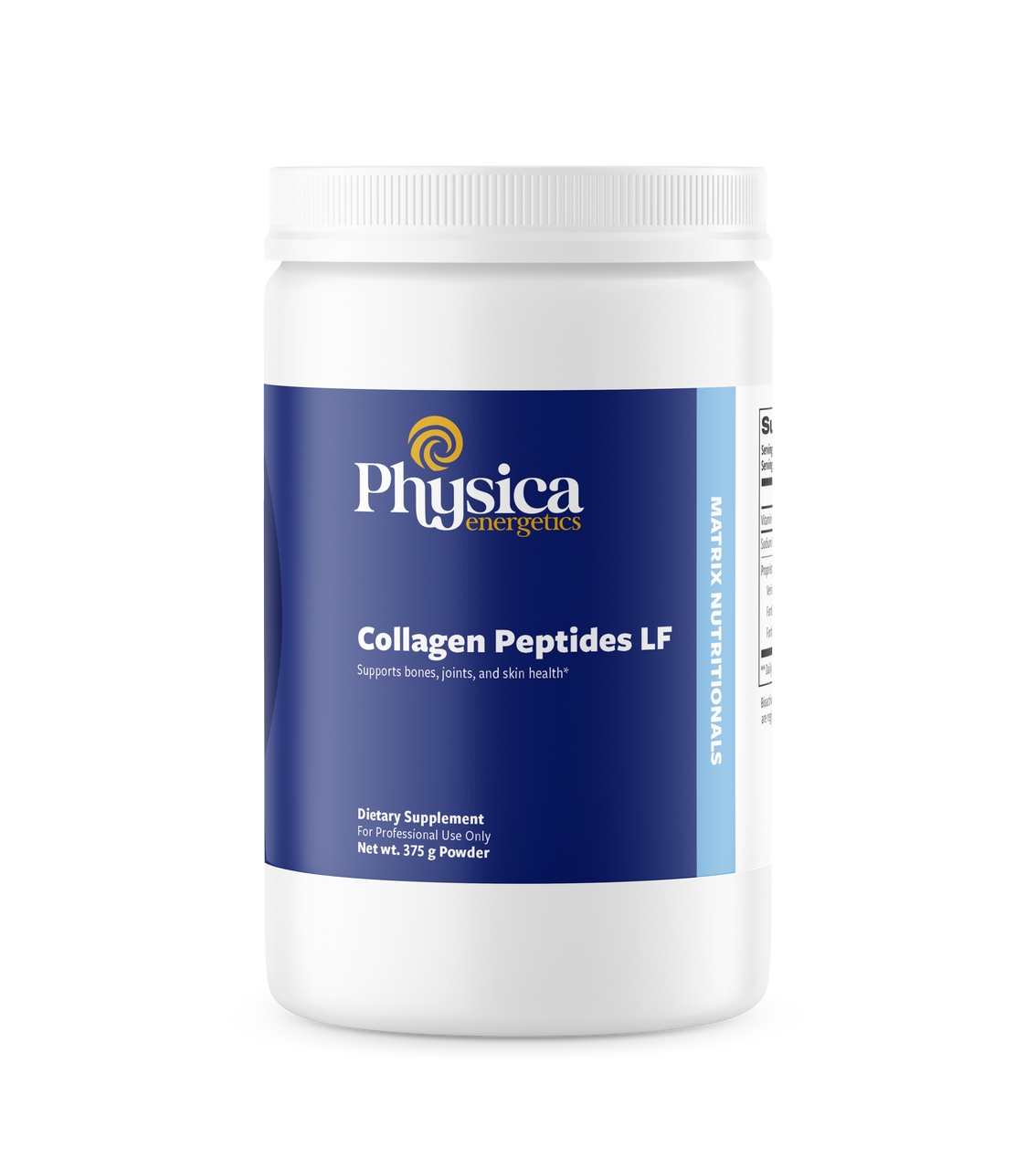
Peptide supplements have surged in popularity among health enthusiasts seeking affordable, effective ways to enhance wellness, recover faster from injuries, and even slow down the aging process. These biological molecules, composed of amino acids, function as messengers that influence various physiological processes, making peptide supplements a promising frontier in nutritional and medical science. As awareness grows, so does curiosity about their capabilities, safety, and best application strategies.
In this comprehensive guide, we delve into what peptide supplements are, how they work, the scientific evidence supporting their use, and how to select the right type for your individual health goals. Whether you’re interested in improving muscle mass, anti-aging benefits, or overall well-being, understanding the potential and limitations of peptide supplements can empower you to make informed decisions about integrating them into your health regimen.
Peptide Supplements: Unlocking Potential Health Benefits
Peptide supplements are increasingly recognized for their ability to target specific biological pathways, supporting functions such as tissue repair, hormone regulation, and immune response. Unlike traditional supplements, peptides are short chains of amino acids that have the unique capacity to penetrate cellular membranes and influence internal processes at the molecular level. This targeted approach makes them highly efficient in promoting healing, growth, and regeneration.
The potential health benefits of peptide supplements are broad and promising. From anti-aging effects through collagen synthesis to enhanced muscle development and fat metabolism, these molecules offer a personalized route to wellness. As ongoing research uncovers new peptides with specific functions, users can expect more tailored approaches that align with their health goals — whether it’s increasing vitality, recovering from injury, or maintaining youthful skin.
Understanding Peptide Supplements: What Are They and How Do They Work?

Peptide supplements are derived from natural biological peptides or synthetically created sequences that mimic their function. They act as signaling molecules, binding to specific receptors on cells to trigger biological responses. For example, some peptides stimulate the production of growth hormone, which is vital for muscle growth, fat breakdown, and overall cell regeneration. Others may enhance collagen production, improving skin elasticity and reducing wrinkles.
The mechanism by which peptide supplements work involves their ability to directly influence cellular functions without introducing foreign or synthetic compounds that bypass the body’s natural processes. This specificity reduces the likelihood of side effects typically associated with pharmaceuticals. Understanding how these molecules interact with body systems allows researchers and consumers to predict benefits more accurately and develop targeted wellness strategies. They are not a one-size-fits-all solution but rather a precise tool to modulate biological functions.
The Science Behind Peptide Supplement Efficacy: A Review of Clinical Studies
Numerous clinical studies have explored the efficacy of various peptides, revealing promising outcomes but also highlighting gaps in current knowledge. For instance, certain peptides like BPC-157 have demonstrated remarkable healing properties in animal models, suggesting potential for human tissue repair. Meanwhile, peptides such as GHRP-6 and CJC-1295 have shown effectiveness in increasing growth hormone levels, contributing to muscle growth and fat loss.
While these results are encouraging, many studies are still in preliminary stages or involved small sample sizes. The complexity of peptide pharmacokinetics and individual variability can influence outcomes significantly. One of the ongoing scientific debates revolves around dosage, administration frequency, and long-term safety. Nevertheless, the emerging body of evidence suggests that when used responsibly and under proper guidance, peptide supplements can offer tangible benefits by enhancing natural biological functions — an exciting prospect for future health interventions.
Types of Peptide Supplements and Their Specific Applications
The diversity of peptide supplements is substantial, with each type tailored to specific health objectives. For muscle builders and anti-aging enthusiasts, peptides like Epitalon and Collagen peptides are commonly used to promote cellular rejuvenation and skin health. In contrast, those targeting performance enhancement may prefer GHRPs (Growth Hormone Releasing Peptides) like Ipamorelin or Hexarelin, which stimulate growth hormone release for increased muscle mass and recovery.
Additionally, peptides such as Thymosin Beta-4 are gaining attention for their role in immune support and tissue regeneration. Other specialized peptides serve as neuroprotectants or metabolic regulators, broadening the scope of potential applications. Choosing the right peptide depends on understanding one’s specific goals, such as improving athletic performance, reducing signs of aging, or managing chronic conditions. As research advances, more targeted peptides will emerge, offering personalized solutions aligned with individual needs and biological profiles.
Potential Benefits and Risks Associated with Peptide Supplement Use
The potential benefits of peptide supplements are compelling — from accelerating healing and improving skin integrity to boosting muscle growth and enhancing overall vitality. Many users report increased energy, better sleep, and a youthful appearance, which enthusiasts attribute to the biological signaling functions of these molecules. However, these advantages are not without considerations; the risks associated with peptide supplementation include immune reactions, hormonal imbalances, and unanticipated side effects, especially when used without professional guidance.
It’s crucial to recognize that the regulatory landscape for peptides is still developing, and quality control issues pose potential risks. Synthetic or contaminated peptides may carry health hazards, and improper dosage can lead to adverse reactions. While many peptides have shown promising safety profiles in clinical trials, long-term data is limited, and individual variability can influence safety and efficacy. Responsible use, proper sourcing, and medical supervision are essential to mitigate potential risks and fully harness the benefits that thoughtfully selected peptide supplements can offer.
Choosing the Right Peptide Supplement: Factors to Consider
Selecting the appropriate peptide supplement involves careful evaluation of your health goals, existing medical conditions, and the credibility of the source. First, clearly define your objectives— whether it’s muscle building, anti-aging, or immune support — as this will guide you toward specific peptides known to address those needs. Next, consider the quality and purity of the product; due to lack of regulation in some markets, sourcing from reputable suppliers who provide certification and third-party testing is vital.
Furthermore, personal factors such as age, hormonal status, and medical history play a role in determining suitability and dosing protocols. Consulting with a healthcare professional experienced in peptide therapy can help tailor the plan to maximize benefits while minimizing risks. Lastly, understanding the legal aspects and current research insights ensures that your decisions are well-informed, empowering you to incorporate peptide supplements safely into your overall wellness journey.
Conclusion
Peptide supplements stand at the forefront of innovative approaches to health, tapping into the body’s natural signaling mechanisms to promote healing, aging gracefully, and enhancing physical performance. Their diverse types target specific biological functions, supported by emerging scientific evidence that highlights their potential benefits, from tissue regeneration to hormone regulation. However, understanding the science, risks, and considerations surrounding their use is crucial for maximizing positive outcomes. With informed choices, professional guidance, and high-quality sources, peptide supplements can become a powerful ally in achieving personalized health and vitality, representing a promising shift toward more targeted and effective wellness solutions in the future.