
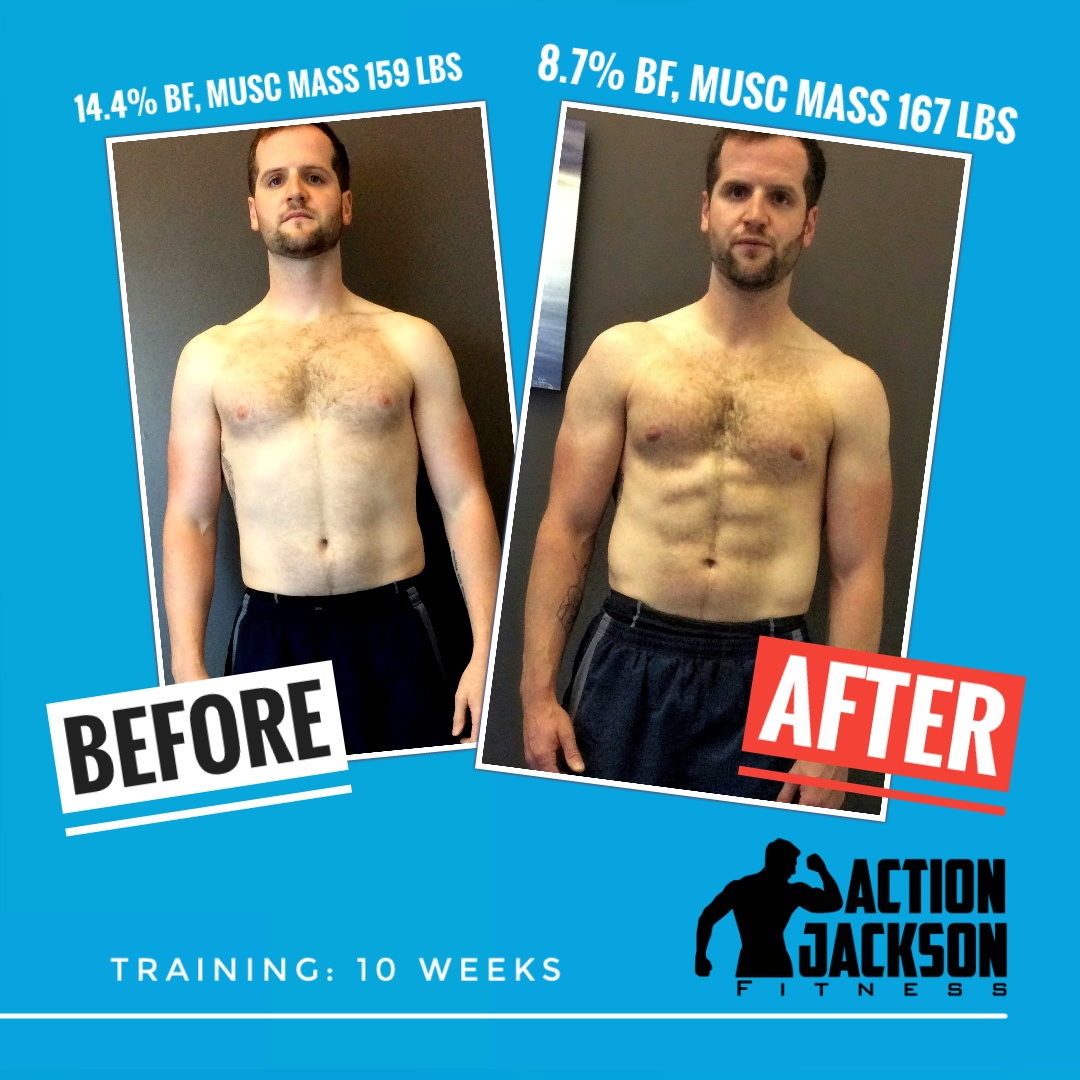
Embarking on a journey to increase muscle mass is more than just lifting weights; it’s a comprehensive process that involves understanding your body, nutrition, training, and recovery. Whether you’re a seasoned athlete or a beginner, learning how to optimize these elements can make a significant difference in achieving your hypertrophy goals. This guide will explore effective strategies and debunk common misconceptions to help you build lean, muscular strength through science-backed methods and personalized insights.
Optimizing Nutrition for Muscle Growth: A Comprehensive Guide
When it comes to increase muscle mass, nutrition is arguably the most critical factor. Your body needs a surplus of nutrients, particularly proteins, to support muscle repair and growth. A well-balanced diet that emphasizes whole foods, adequate calories, and the right macronutrient ratios can accelerate hypertrophy. For instance, consuming sufficient protein—ideally 1.2 to 2.0 grams per kilogram of body weight—provides the amino acids essential for muscle synthesis. Incorporating healthy fats and complex carbs ensures sustained energy levels during workouts and day-to-day activities, preventing catabolism and promoting recovery.
Beyond macronutrients, micronutrients such as vitamins and minerals play vital roles in muscle function and overall health. Magnesium, zinc, and vitamin D are keys to muscle contraction and recovery processes. Hydration is often overlooked but is equally vital; water supports nutrient transportation and reduces inflammation post-exercise. Tailoring your nutrition plan based on individual metabolic rate, activity level, and dietary preferences can optimize results and ensure consistent progress toward increase muscle mass. Meal timing, such as consuming protein-rich meals post-workout, can further augment muscle repair processes.
Effective Resistance Training Strategies for Hypertrophy

Resistance training remains the cornerstone of increasing muscle mass, but not all workouts are created equal. Focusing on hypertrophy-specific training—typically involving moderate to heavy weights with moderate repetitions—stimulates muscle enlargement effectively. Incorporating a variety of exercises that target different muscle groups not only maximizes growth potential but also prevents plateaus and overuse injuries. Compound movements like squats, deadlifts, and bench presses should be the foundation, as they engage multiple muscle groups and allow for heavier loads, thus providing greater stimuli for growth.
In addition to exercise selection, the execution and intensity of your workouts matter immensely. Techniques such as slow eccentric movements, increased time under tension, and controlled tempos enhance muscle fiber recruitment and hypertrophic response. It’s important to strike a balance between volume and intensity; overtraining diminishes gains, while undertraining limits growth. A personalized training plan that progressively challenges the muscles over time, paired with proper form and consistency, ensures you are on the path to effectively increase muscle mass while minimizing setbacks.
The Role of Progressive Overload in Maximizing Muscle Mass
Progressive overload is often regarded as the fundamental principle of muscle hypertrophy, emphasizing the need to gradually increase training demands to stimulate continual growth. Without increasing resistance, repetitions, or intensity, muscles adapt and plateau. Implementing systematic overload—adding weight, increasing sets, or altering exercises—triggers the muscle’s adaptive response, leading to tissue growth. This concept requires mindfulness and meticulous planning to ensure that progression is sustainable and injury risk remains low.
Personal insights reveal that progressive overload is not solely about lifting heavier weights; it can also involve techniques such as drop sets, supersets, or increasing the volume of work. Listening to your body and tracking progress are essential. Over time, small incremental increases in workload, aligned with proper recovery, lead to sustainable muscle growth. Constantly challenging your muscles—without overtraining—reinforces the importance of evolving your program to optimize increase muscle mass consistently, avoiding stagnation and fostering long-term gains.
Supplementation Strategies to Support Muscle Growth
While a solid nutrition plan underpins muscle growth, strategic supplementation can offer additional support to optimize results. Protein powders, creatine, and branched-chain amino acids (BCAAs) are popular options among athletes aiming to increase muscle mass. Creatine, for example, enhances strength and power output, enabling heavier lifts and more intense training sessions, which are essential for hypertrophy. BCAAs can reduce muscle soreness and promote quicker recovery, allowing for increased training frequency.
It’s crucial to approach supplementation with moderation and awareness. Not all products are necessary or backed by strong scientific evidence; often, whole foods suffice. That said, aligning supplements with your diet and training phase can provide a beneficial edge. Professional consultation with a nutritionist or healthcare provider can help tailor supplementation strategies to your individual needs, ensuring they complement your journey of increase muscle mass without compromising health or safety.
The Importance of Rest and Recovery for Muscle Hypertrophy
Many overlook the critical role that rest and recovery play in building muscle. Muscle fibers are damaged during intense training, and it is during rest periods that repair and hypertrophy occur. Adequate sleep—at least 7-9 hours per night—significantly impacts hormone production, such as testosterone and human growth hormone, which are vital for muscle growth. Recovery isn’t limited to sleep; it also involves active recovery days, proper nutrition, and avoiding overtraining to prevent injury and burnout.
Delving into personal recovery strategies reveals that listening to your body is essential. Overtraining can inhibit hormones responsible for muscle synthesis, leading to stagnation or regression. Incorporating techniques like foam rolling, stretching, massage, and mobility work can enhance recovery efficiency. The synergy of consistent training with sufficient rest creates an optimal environment for the muscles to rebuild stronger, which is fundamental to achieving sustained growth and ultimately increase muscle mass over time.
Debunking Myths and Misconceptions About Building Muscle Mass
The journey to increase muscle mass is riddled with myths that can derail progress. One common misconception is that you need to spend hours in the gym daily; in reality, quality over quantity, with a well-structured plan, leads to better results. Another false belief is that lifting lighter with high repetitions alone will produce hypertrophy—heavy lifting with proper volume and tempo is more effective. Additionally, many think that supplements are magic pills; however, they are merely tools that support proper training and nutrition rather than substitutes for hard work.
Challenging misconceptions reveals that muscular growth is attainable for everyone with consistency and patience. It’s vital to understand that genetics influence how quickly one can build muscle, but dedication and strategic planning always produce results. Many fall prey to quick-fix solutions or unrealistic expectations fueled by social media. Clarifying these myths fosters a more informed and sustainable approach to increase muscle mass—grounded in science, patience, and perseverance.
Conclusion
Achieving a noticeable increase in muscle mass requires a holistic approach that encompasses tailored nutrition, effective resistance training, progressive overload, strategic supplementation, adequate rest, and a clear understanding of misconceptions. Each element works synergistically to create an environment conducive to hypertrophy, enabling consistent and sustainable progress. By embracing personalized strategies, staying patient, and maintaining discipline, you can transform your physique and unlock your full potential for muscle development. Remember, building muscle is a marathon, not a sprint—commit to the process, educate yourself continually, and celebrate every milestone along the way toward your ideal muscular physique.