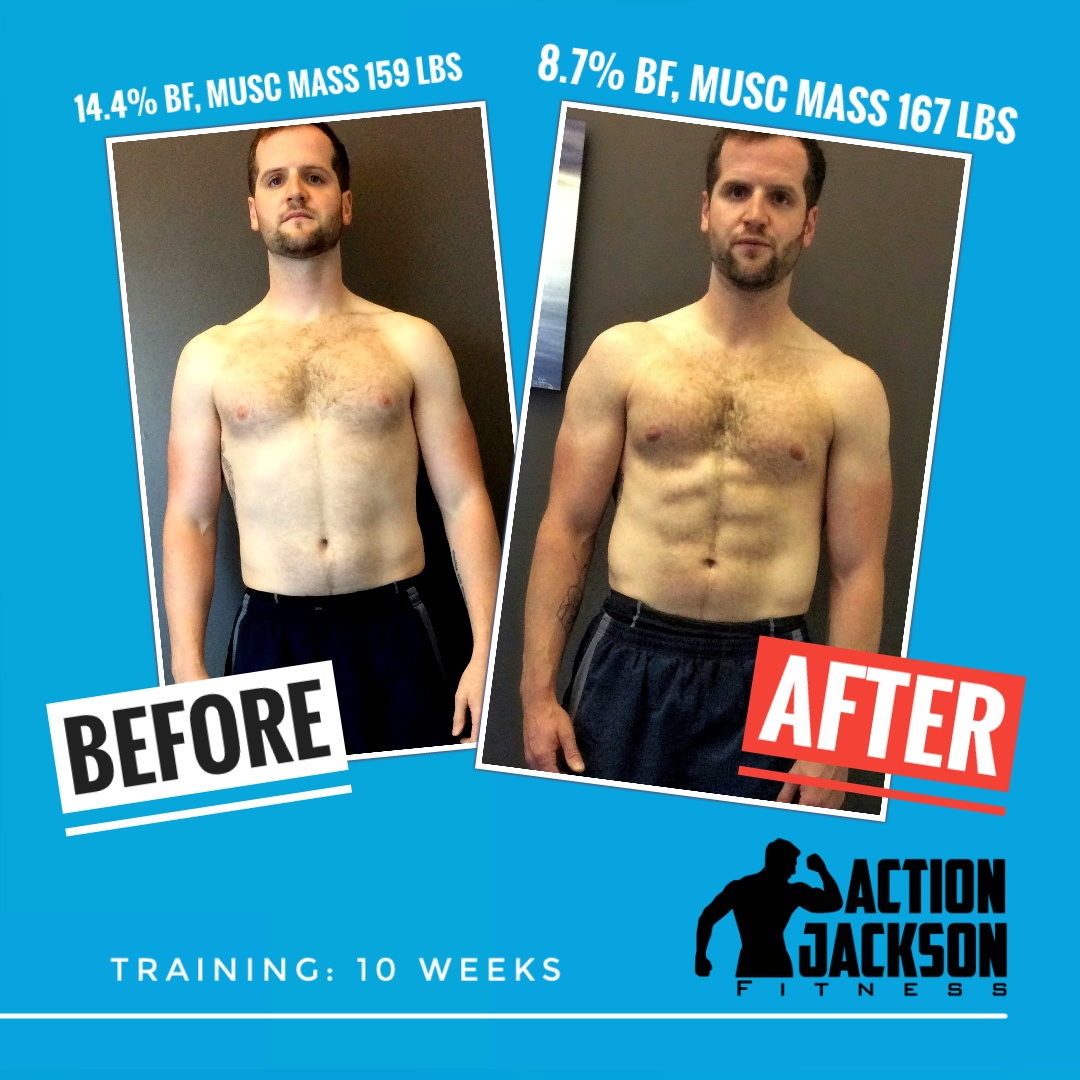

Muscle building is more than just lifting weights and eating plenty of protein; it’s a complex combination of science, discipline, and strategic planning. Whether you’re a beginner eager to transform your physique or a seasoned athlete aiming to push your limits, understanding the nuanced mechanics behind muscle hypertrophy and applying effective techniques is crucial. This comprehensive guide explores the core components of muscle building, delving into the science that fuels growth, optimal nutrition, training tactics, recovery essentials, supplements, and common pitfalls to avoid on your journey toward a stronger, leaner physique.
The importance of understanding muscle building as a holistic process cannot be overstated—it’s an intricate dance involving biological processes, behavioral habits, and tailored strategies that, when synchronized well, produce remarkable results.
The Science of Muscle Hypertrophy: An Overview
Muscle hypertrophy, the biological process responsible for muscle growth, hinges on increasing the size of muscle fibers in response to structured stress. When you lift weights or perform resistance exercises, tiny injuries—or micro-tears—occur within muscle fibers. Your body interprets this damage as a signal to repair and reinforce these fibers, leading to hypertrophy. This repair process involves a complex interplay of cellular mechanisms, primarily driven by anabolic hormones like testosterone, growth hormone, and insulin-like growth factor 1 (IGF-1).
Understanding the science of muscle hypertrophy allows you to optimize training protocols for maximal growth. The two primary types of hypertrophy—myofibrillar and sarcoplasmic—serve different goals. Myofibrillar hypertrophy increases the density and strength of muscle fibers, suited for those aiming for maximum strength gains. In contrast, sarcoplasmic hypertrophy enlarges the volume of muscle cell fluid and glycogen storage, resulting in a more muscular appearance. Recognizing these distinctions helps personalize training programs according to individual goals, whether strength, size, or aesthetics.
Additionally, muscle hypertrophy isn’t merely a result of mechanical stress; metabolic stress and muscle damage also play critical roles. Metabolic stress from higher-rep training induces muscular fatigue and cell swelling, which can foster hypertrophy through cell signaling pathways involving growth factors and hormones. Meanwhile, the inflammatory response from muscle damage initiates repair mechanisms, leading to larger and stronger fibers over time. An integrative understanding of these phenomena underscores why varying training intensities and modalities can produce optimal results in a muscle building regimen.
Nutrition Strategies for Optimal Muscle Growth

Achieving sustained muscle building requires a strategic approach to nutrition, with a primary focus on providing the right balance of macronutrients, micronutrients, and timing. Protein intake is the cornerstone of muscle repair and growth because amino acids are the building blocks of new muscle tissue. Consuming approximately 1.6 to 2.2 grams of protein per kilogram of body weight daily, spread evenly across meals, ensures a steady supply of amino acids to support hypertrophic processes. Sources should include lean meats, dairy, eggs, legumes, and plant-based proteins for diversity and nutritional completeness.
Beyond protein, carbohydrates play a vital role in muscle building by replenishing glycogen stores depleted during rigorous training sessions. Carbohydrates also promote insulin secretion, an anabolic hormone that facilitates amino acid uptake and muscle repair. Complex carbs like oats, brown rice, and sweet potatoes are favored for sustained energy release, supporting intense workouts and recovery. Healthy fats, including omega-3 fatty acids from fish or flaxseeds, modulate inflammation, improve hormone production, and support overall well-being—all of which indirectly influence muscle growth.
Timing nutrient intake strategically can further enhance muscle building efforts. Consuming protein and carbs shortly after training taps into the body’s heightened anabolic state, maximizing recovery and hypertrophic signaling. Moreover, staying consistent with a calorie surplus—eating slightly more calories than your body burns—ensures your body has the energy reserves needed for muscle synthesis. Customizing nutrition based on individual metabolic rates, training intensity, and goals is essential for sustainable, long-term muscle growth.
Effective Training Protocols for Building Muscle
Designing effective training protocols involves more than just lifting heavy weights; it requires a nuanced understanding of volume, intensity, rest periods, and progression. Resistance training should focus on multiple sets performing 6-12 repetitions per exercise to maximize hypertrophy, as this rep range balances mechanical tension, metabolic stress, and muscle damage optimally. Incorporating compound movements such as squats, deadlifts, and bench presses recruits larger muscle groups and stimulates a greater anabolic response, laying a solid foundation for muscle growth.
Progressive overload remains the key principle underpinning muscle building success. Continuously challenging muscles with increasing resistance, volume, or intensity forces the body to adapt, leading to growth. Variations in training strategies—such as periodization, supersets, drop sets, and tempo manipulation—keep the muscles guessing and prevent plateaus. Emphasizing proper form and controlled movements increases time under tension, further stimulating hypertrophy while reducing injury risk.
Alongside structured workout routines, understanding how to periodize training—cycling through phases focused on strength, hypertrophy, and recovery—can optimize gains and allow for better recovery. Rest between sets (generally 60-90 seconds for hypertrophy-focused training) maintains muscular fatigue without excessive exhaustion. Combining these scientifically grounded protocols with personal preference and consistency creates a sustainable, effective muscle building program that yields significant, long-lasting results.
The Role of Rest and Recovery in Muscle Development
Many underestimate rest and recovery as pivotal in the muscle building process, but these elements are just as crucial as training itself. During rest periods, your body repairs damaged muscle fibers, replenishes glycogen stores, and balances anabolic and catabolic hormones—facilitating adaptation and growth. Without adequate recovery, muscles cannot fully repair, leading to overstress, fatigue, and stalled progress.
Quality sleep—around 7-9 hours per night—is paramount for optimal recovery, hormone production (notably growth hormone), and mental resilience. Sleep deprivation impairs the body’s ability to repair tissue, hampers immune function, and decreases performance, all hindering muscle building. In addition to sleep, active recovery days involving light activity such as walking, stretching, or foam rolling help promote circulation, reduce soreness, and accelerate the repair process.
Incorporating planned deload weeks—periods of reduced training intensity—can prevent overtraining and burnout, enabling you to maintain consistent progress over months and years. Listening to your body’s signals and not rushing into back-to-back intense sessions is vital. Rest and recovery are the silent partners of muscle building, creating the foundation upon which your efforts in the gym translate into real gains and sustained development.
Supplementation for Muscle Building: What Works and What Doesn’t
Supplements can augment a well-structured muscle building program, but they are not miracle-workers. The most scientifically supported supplement is protein powder, which ensures adequate daily protein intake when dietary sources fall short or convenience is needed. Creatine monohydrate is another well-established ergogenic aid that enhances strength, power, and muscle volume by increasing phosphocreatine stores in muscle cells—allowing for more intense training sessions.
Other popular supplements such as branched-chain amino acids (BCAAs), pre-workouts, or nitric oxide boosters show mixed evidence, largely because their benefits are modest when diet and training are optimized. Importantly, supplements should complement, not replace, foundational nutrition and training strategies. It’s critical to verify the quality and safety of supplements through third-party testing and consult healthcare professionals before starting new regimens, especially if you have underlying health conditions or take medication.
Emerging supplements like HMB, beta-alanine, and citrulline malate show promise in specific contexts, such as reducing muscle breakdown or enhancing endurance, but require further scientific validation. Ultimately, a balanced diet rich in whole foods, combined with strategic supplementation aligned with individual goals, will yield the best and most sustainable muscle building results. Over-reliance on supplements without addressing core habits can lead to unmet expectations and nutritional imbalances.
Common Mistakes to Avoid When Building Muscle
One of the most prevalent errors in muscle building is neglecting consistency; sporadic workouts and irregular nutritional habits undermine progress. Many beginners lift weights without a structured plan or fail to progressively challenge their muscles, resulting in plateaus or injury. Failing to track progress or adjust training intensity hampers the ability to stimulate continuous adaptation, making patience and discipline essential.
Another critical mistake is overlooking proper recovery, which can lead to overtraining and injury. Training intensely every day without allowing muscles to repair diminishes gains and increases burnout risk. Additionally, neglecting nutrition—such as insufficient protein intake or poor calorie management—can severely impede muscle growth despite diligent workouts. It’s vital to marry training, nutrition, rest, and mental focus into a cohesive, disciplined routine.
Finally, overemphasizing certain exercises or fixating on vanity muscles at the expense of overall symmetry and function can lead to imbalances and injuries. A well-rounded routine that targets all major muscle groups, incorporates proper form, and aligns with individual goals fosters sustainable progress and a balanced physique. Avoiding these common pitfalls requires education, patience, and a holistic approach to the muscle building journey.
Conclusion
Building muscle is a multifaceted endeavor that intertwines scientific principles with dedicated effort, strategic nutrition, effective training, sufficient recovery, and prudent supplementation. A deep understanding of muscle hypertrophy reveals the importance of varied stimuli—mechanical tension, metabolic stress, and muscle damage—and how to harness them through informed programming. Coupled with optimal nutrition strategies that support performance and repair, tailored training protocols that challenge and overload muscles, and emphasizing rest and recovery phases, aspiring muscle builders can maximize their gains while minimizing setbacks. While supplementation can provide additional support, it should complement a solid foundation of habits and knowledge. Lastly, avoiding common mistakes like inconsistency, neglecting recovery, or nutritional gaps ensures sustainable growth and long-term success. Ultimately, the journey of muscle building is a testament to perseverance, science, and continuous learning—a quest to unlock your body’s full potential.