

In recent years, the conversation surrounding weight management has expanded beyond traditional diets and exercise routines to include innovative approaches like peptides. The intersection of peptides and weight loss has garnered considerable interest among researchers, medical professionals, and individuals seeking effective solutions. Peptides, as small chains of amino acids, have shown promising potential to influence metabolic processes, appetite regulation, and fat loss. As more scientific studies emerge, understanding how peptides can assist in weight management might redefine conventional approaches, offering targeted and personalized strategies for achieving health goals.
The relationship between peptides and weight loss is complex yet intriguing. These biological molecules are being explored not only for their ability to modulate bodily functions but also for their potential to address underlying causes of obesity such as hormonal imbalances and metabolic inefficiencies. This comprehensive exploration aims to delve into the science behind peptides and weight loss, identify specific peptides with promising benefits, evaluate the clinical evidence supporting their use, and compare them with traditional weight loss methods. As the landscape evolves, it becomes increasingly essential to navigate the safety considerations surrounding peptides to make informed, effective decisions in weight management journeys.
Peptides and Weight Loss: Exploring the Science
Peptides are short chains of amino acids that serve crucial roles in the human body, functioning as signaling molecules that regulate various physiological processes. When it comes to weight loss, the scientific intrigue lies in how certain peptides can influence metabolic pathways, appetite control, and fat oxidation. Researchers are investigating how these molecules can enhance the body’s natural functions, potentially leading to more efficient and sustainable weight management solutions. One significant aspect of their function is their ability to mimic or stimulate specific hormones involved in hunger regulation and energy expenditure, thus offering a targeted approach that traditional diets may lack.
The foundational science behind peptides and weight loss suggests that these molecules can affect key systems involved in obesity. For instance, some peptides target the hypothalamus—the brain region controlling hunger and satiety—thereby influencing cravings and reducing overall calorie intake. Others may enhance fat metabolism in adipose tissue, helping the body burn stored fat more efficiently. The multifaceted nature of peptides allows for potential modulation of the entire spectrum of energy balance, making them attractive candidates for obesity treatments. However, while promising, the science is still evolving, and understanding the specific mechanisms involved requires ongoing research and clinical validation.
The Role of Peptides in Regulating Metabolism and Appetite
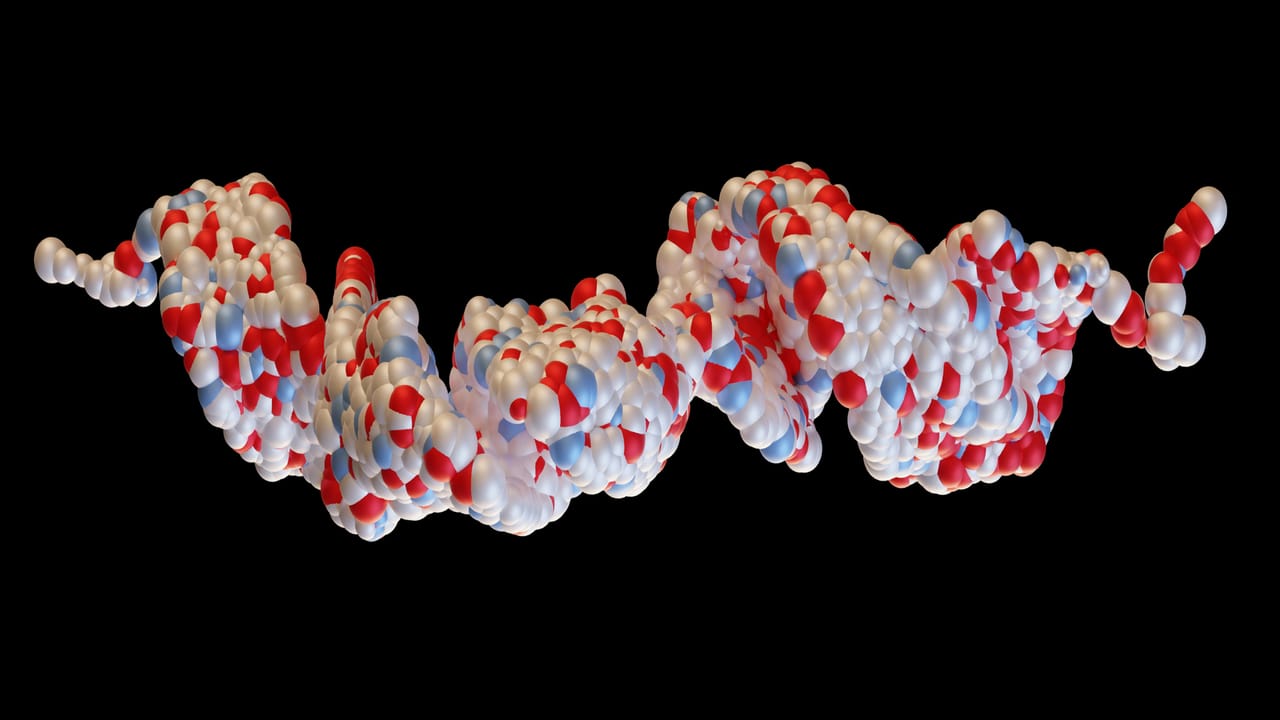
Peptides are particularly adept at modulating bodily functions that directly impact weight management — notably, metabolism and appetite. Certain peptides act as hormonal messengers, sending signals to the brain and various tissues to either stimulate or suppress hunger, influencing how much food an individual consumes. They also trigger changes in metabolic activity, promoting the breakdown of fats and carbohydrates to generate energy. This dual action can create a more favorable environment for weight loss, especially when combined with lifestyle modifications.
Personalized treatment strategies increasingly focus on how peptides can restore balance in disrupted metabolic systems. For example, peptides such as GLP-1 analogs have been shown to reduce appetite dramatically, leading to decreased caloric intake. Simultaneously, these peptides can accelerate metabolic rates, further aiding weight loss efforts. Their ability to target specific pathways without broadly disrupting other bodily functions makes them highly appealing for medical research. However, individual responses may vary based on genetic, hormonal, and lifestyle factors, emphasizing the importance of tailored approaches when considering peptides for weight management.
Specific Peptides for Weight Management: A Comprehensive Overview
Numerous peptides have shown potential in supporting weight loss, each with unique mechanisms of action. GLP-1 receptor agonists, like liraglutide, are among the most well-known, functioning by enhancing insulin secretion and suppressing appetite. CJC-1295 and Ipamorelin stimulate growth hormone release, which can promote fat burning and improve lean muscle mass. Other peptides, such as Melanocortins and Tesamorelin, target pathways involved in fat metabolism and hunger suppression, providing diverse options for weight management strategies.
When exploring peptides for weight management, it’s crucial to understand their specific roles and potential limitations. For instance, some peptides may require injection or have side effects, while others may be more suitable for long-term use. Additionally, research into combination therapies—using multiple peptides tailored to an individual’s needs—is ongoing to optimize outcomes. Personalization remains key, as responses can greatly vary. This comprehensive overview emphasizes that while peptides present exciting opportunities for weight control, selecting the right peptide involves careful evaluation of the biological target, effectiveness, and safety profile.
Clinical Evidence: Do Peptides Effectively Promote Weight Loss?
The question of whether peptides and weight loss have a solid scientific backing remains central to their adoption in clinical practice. Several clinical trials and studies suggest that certain peptides can indeed promote meaningful weight reduction, sometimes comparable to or exceeding traditional pharmacological therapies. For instance, GLP-1 receptor agonists have demonstrated significant efficacy not only in lowering weight but also in improving metabolic health markers such as blood sugar and lipid levels, which are crucial for comprehensive health management.
However, the evidence is still emerging, with some studies limited by small sample sizes, short durations, or lack of long-term follow-up. While initial results are promising, the need for larger, randomized controlled trials persists to confirm these findings universally. Nonetheless, the current data suggest that peptides could serve as effective adjuncts or alternatives in weight management programs, especially for individuals who struggle with conventional methods. It’s important to approach these therapies within a framework of medical supervision and ongoing research to ensure safety and sustained effectiveness.
Navigating the Landscape: Safety and Considerations When Using Peptides for Weight Loss
While the promise of peptides is compelling, understanding their safety profile is vital before integrating them into a weight management regimen. As with any medical intervention, peptides can have side effects ranging from mild, such as nausea or injection site reactions, to more serious adverse effects depending on the type and dosage. The lack of extensive long-term studies means that potential risks remain partially understood, necessitating cautious, personalized use under medical supervision.
Additionally, the source and quality of peptides are critical considerations. Misuse or reliance on unregulated sources can lead to contamination, incorrect dosing, or unsafe formulations. Therefore, consulting healthcare professionals and obtaining peptides through reputable channels is essential. It’s equally important to remember that peptides are not magic bullets but components of a broader health strategy that includes diet, exercise, and lifestyle changes. Responsible use, ongoing monitoring, and a comprehensive understanding of potential risks can help maximize benefits while minimizing harm.
Peptides vs. Traditional Weight Loss Methods – A Comparative Analysis
Traditional weight loss methods—such as calorie restriction, increased physical activity, and behavioral modifications—remain the cornerstone of obesity management for most individuals. These strategies, while effective for many, often face compliance challenges and slower results. In contrast, peptides offer a more targeted approach, potentially accelerating fat loss and appetite suppression with fewer lifestyle disruptions. They can serve as adjuncts to conventional methods, especially for individuals struggling to see progress through diet and exercise alone.
However, the comparison isn’t solely about effectiveness or convenience; safety, cost, and long-term sustainability are also crucial considerations. Traditional methods have extensive historical data supporting their safety and are accessible without prescription, whereas peptide therapies are newer, often require medical oversight, and may be costly. While peptides show promising results, they should be viewed as part of an integrated approach rather than a standalone solution. Personalized medicine approaches, combining both traditional and peptide-based strategies, could ultimately offer the most effective and sustainable path to weight loss.
Conclusion
The evolving understanding of peptides and weight loss reveals a promising landscape marked by targeted mechanisms of action, scientific validation, and emerging clinical evidence. Peptides’ ability to regulate metabolism, suppress appetite, and promote fat oxidation makes them compelling tools in modern weight management strategies. However, cautious and informed use is essential, given safety considerations and individual variability. When compared to traditional methods, peptides may offer accelerated results and greater personalization, but they are best integrated into comprehensive health plans involving lifestyle modifications. As ongoing research continues to validate their efficacy and safety, peptides are poised to become an important aspect of future weight loss therapies, providing hope for more effective, individualized solutions for those battling obesity.