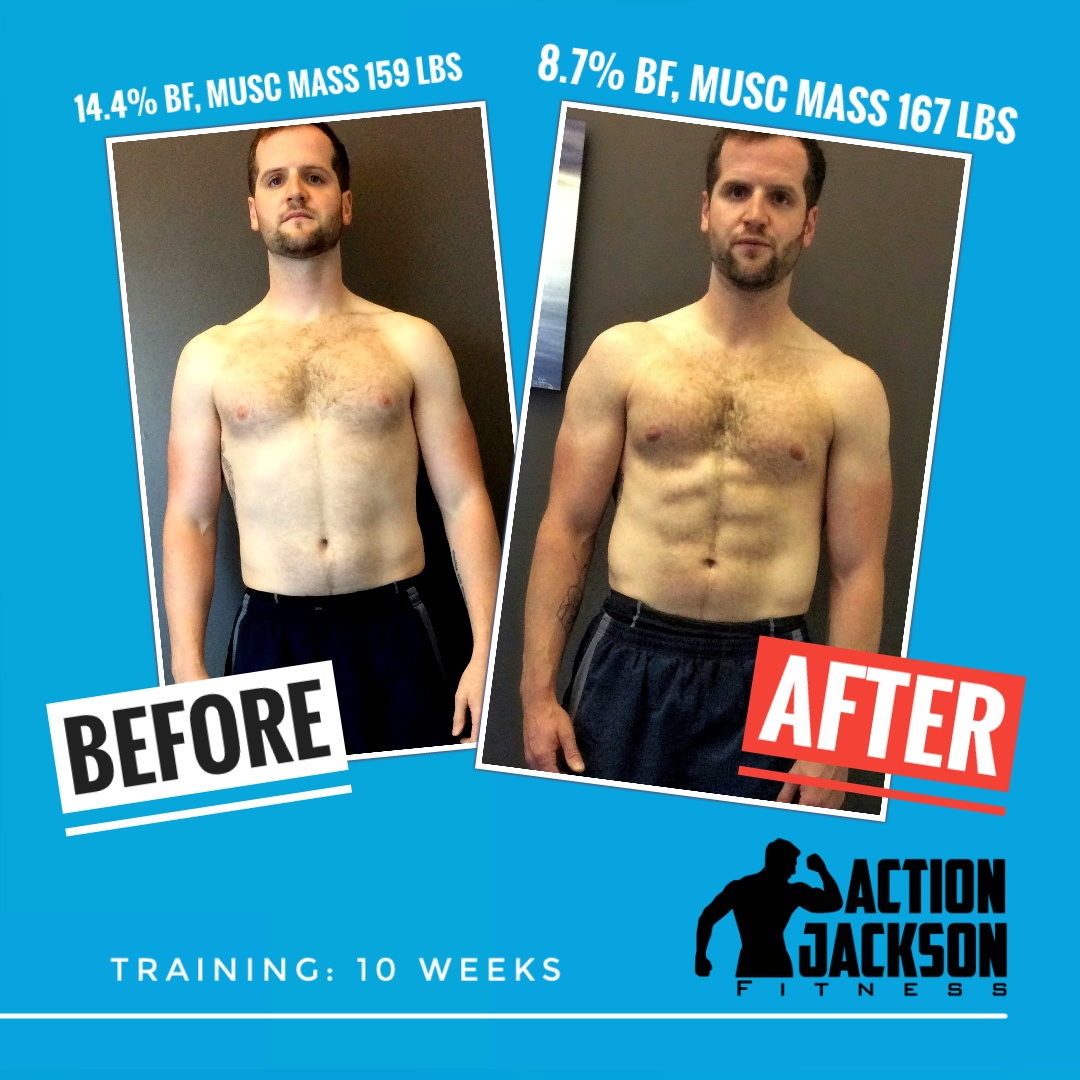

Embarking on a journey to grow muscle mass can be both exciting and daunting. Whether you’re a beginner eager to see immediate results or an experienced lifter aiming to refine your gains, understanding the science and strategies behind muscle development is crucial. This comprehensive guide delves into the intricate processes involved in muscle hypertrophy and offers scientifically-backed nutrition, training, hormonal, and recovery strategies. With tailored insights and practical tips, you’ll be equipped to optimize your efforts and unlock your body’s full potential for muscle growth.
The Science of Muscle Hypertrophy – Understanding How Muscles Grow
Muscle hypertrophy refers to the increase in muscle size resulting from a combination of mechanical tension, muscle damage, and metabolic stress. When you lift weights or engage in resistance exercises, your muscles are subjected to stress that surpasses their normal capacity, prompting an adaptive response. This response involves an increase in muscle fiber size, predominantly through the synthesis of new proteins. Understanding this process involves appreciating how muscle fibers adapt over time to the stimuli they receive, helping you strategize effective training protocols for optimal growth.
One of the critical aspects of muscle hypertrophy is the role of progressive overload — continually challenging muscles by increasing resistance or volume. Without this progressive stimulus, muscles won’t adapt further, stagnating growth. Additionally, muscular hypertrophy is influenced by the type of training—whether it’s oriented towards higher volume with moderate loads or low volume with heavier weights. Beyond the physical stimulus, cellular processes such as satellite cell activation, hormonal signaling (like increased IGF-1), and protein synthesis pathways such as mTOR play vital roles. Recognizing these complex interplays enables you to design smarter training routines that effectively push muscle boundaries and grow muscle mass.
Furthermore, variability in muscle fiber types—fast-twitch versus slow-twitch—adds another layer of complexity. Fast-twitch fibers, which are more prone to hypertrophy, respond well to high-intensity, short-duration efforts. Personal genetic factors also influence hypertrophic potential, meaning that individual responses can differ significantly. Knowing this highlights the importance of personalized training and recovery strategies in your quest to maximize muscle gain. Ultimately, understanding these underlying biological mechanisms equips aspiring bodybuilders and fitness enthusiasts with the knowledge needed to tailor their approaches for sustained growth.
Nutrition Strategies for Optimizing Muscle Growth – Fueling Your Gains

Nutrition plays a pivotal role in growing muscle mass, serving as the foundation that supports training efforts and recovery. To maximize muscle hypertrophy, a diet rich in quality macronutrients — particularly proteins, carbohydrates, and healthy fats — is essential. Adequate protein intake supplies amino acids necessary for muscle repair and growth, with many experts recommending around 1.6–2.2 grams per kilogram of body weight for active individuals aiming to grow muscle mass. Incorporating diverse protein sources such as lean meats, dairy, eggs, and plant-based options ensures a broad spectrum of amino acids, fueling the anabolic processes vital for hypertrophy.
Carbohydrates are equally important because they replenish glycogen stores depleted during intense workouts, providing the energy needed for subsequent training sessions. Consuming carbs around your training window optimizes performance while promoting insulin release, which has an anabolic effect facilitating amino acid uptake into muscles. Fats, often overlooked, are crucial for hormone production, particularly testosterone and other anabolic hormones that influence muscle growth. Incorporating healthy fats from sources like nuts, seeds, avocados, and oily fish can help maintain hormonal balance, supporting your muscle-building goals.
In addition to macronutrients, optimal hydration and micronutrient intake—such as vitamin D, zinc, and magnesium—are vital for cellular function and hormone synthesis. Strategic eating patterns, like consuming a protein-rich meal shortly after resistance training, can enhance muscle protein synthesis and spur growth. Moreover, calorie surplus—eating slightly more calories than you burn—supports muscle gain, but it’s important to avoid excessive excess to prevent unwanted fat gain. Tracking your intake and adjusting based on progress helps fine-tune your diet and ensures you grow muscle mass effectively and sustainably.
Effective Resistance Training Techniques for Maximizing Muscle Mass
Designing resistance training routines that truly grow muscle mass involves understanding how to manipulate variables such as intensity, volume, and exercise selection. Compound movements like squats, deadlifts, bench presses, and pull-ups are foundational because they recruit multiple muscle groups simultaneously, allowing for heavier loads and greater mechanical tension. Incorporating these multi-joint exercises at multiple angles not only enhances muscle activation but also promotes coordinated strength development essential for hypertrophy.
To maximize gains, progressive overload must be systematically integrated into your training—gradually increasing weights, repetitions, or intensity over time. Repetition ranges between 6-12 tend to be most effective for hypertrophy, with moderate to high volume ensuring adequate muscle fatigue and metabolic stress. Rest periods between sets should be optimized; around 60-90 seconds often strike a balance between maintaining intensity and promoting hypertrophy. Incorporating techniques such as supersets, drop sets, and tempo variations can also intensify workouts, evoke greater muscle tension, and trigger hypertrophic adaptations.
Furthermore, training frequency and periodization are crucial for sustained growth. Targeting each muscle group at least twice per week frequently yields better results than once-weekly sessions, providing ample stimuli for growth. Varying training stimuli—switching exercises, adjusting rep schemes, or changing tempo—prevents plateaus and maintains continuous adaptation. Combining these methods with disciplined adherence and proper form ensures you not only improve muscle size but do so safely, pushing your limits to effectively grow muscle mass.
The Role of Hormones in Muscle Growth and How to Influence Them
Hormones are biochemical messengers that profoundly impact your ability to grow muscle mass. Testosterone, growth hormone, insulin-like growth factor-1 (IGF-1), and cortisol are among the most influential in this process. Testosterone, the primary anabolic hormone, enhances protein synthesis, increases red blood cell production, and amplifies strength—making it a key driver of hypertrophy. Growth hormone and IGF-1 promote tissue repair and muscle regeneration, creating an optimal environment for muscle building when levels are appropriately maintained.
While genetic predisposition influences baseline hormone levels, lifestyle factors can significantly modulate these hormones to favor muscle growth. For instance, strength training and high-intensity workouts naturally boost testosterone and growth hormone temporarily. Adequate sleep, stress management, and a balanced diet rich in nutrients support sustained hormonal health. Conversely, chronic stress and poor sleep increase cortisol, a catabolic hormone that can hinder muscle growth by breaking down muscle tissue. Staying consistent with training, rest, and nutrition can help maintain a hormonal environment conducive to growing muscle mass.
Some strategies can positively influence hormonal balance, such as lifting heavy weights, performing compound movements, and engaging in varied training intensities. Proper nutrition—especially sufficient protein and healthy fats—further supports hormone synthesis. Managing stress through mindfulness practices and ensuring 7-9 hours of quality sleep each night are vital to regulate cortisol and optimize anabolic hormones. While supplements like vitamin D and zinc may support hormonal health, the most effective approach involves lifestyle choices that naturally promote your endocrine system’s function—setting the stage for ongoing muscle growth.
Supplementation for Muscle Growth – What Works and What Doesn’t
Supplements can accelerate muscle growth when used wisely, but they are not substitutes for proper training and nutrition. Creatine monohydrate is one of the most effective supplements supported by extensive research; it increases phosphocreatine stores in muscles, enabling high-intensity performance and promoting hypertrophic gains over time. Protein powders, notably whey, help meet daily protein targets, ensuring muscles have the amino acids necessary for repair and growth post-workout.
Other supplements like branched-chain amino acids (BCAAs), beta-alanine, and nitric oxide boosters have mixed evidence regarding their benefits. BCAAs can support muscle recovery when dietary intake is insufficient but are unnecessary if you already consume enough protein. Beta-alanine may reduce muscle fatigue by buffering lactic acid, enabling longer, more intense workouts. Meanwhile, nitric oxide precursors like L-arginine claim to enhance blood flow, but scientific support for their efficacy remains limited. Importantly, individual responses vary, and over-reliance on supplements can overshadow fundamental lifestyle factors vital for growing muscle mass.
It’s essential to prioritize fundamentals: adequate caloric intake, sufficient macros, progressive resistance training, and quality sleep. Supplements should be viewed as adjuncts—adding value where gaps exist in diet or training. Not all popular products are backed by credible evidence, so scrutiny and consultation with professionals are advisable before incorporating new supplements. Ultimately, consistent effort across training, nutrition, and recovery forms the core of effective muscle growth, with supplementation serving as a supportive tool rather than the centerpiece of your strategy.
Sleep and Recovery – Essential Components for Building Muscle Mass
Muscle growth doesn’t happen solely in the gym; it primarily occurs during recovery—especially during deep, restorative sleep. During sleep, the body releases hormones like growth hormone and testosterone, which facilitate tissue repair, cell regeneration, and hypertrophy. Adequate sleep duration (7-9 hours per night) and quality are essential to sustain these hormonal processes and prevent overtraining, which can lead to setbacks in muscle development.
Recovery involves more than sleep: active recovery days, proper nutrition, hydration, and managing stress are equally crucial. Overtraining can suppress hormonal function, elevate cortisol levels, and impair immune health, ultimately stifling progress. Listening to your body, incorporating rest days, and engaging in light activity such as stretching or foam rolling can improve blood flow and speed up muscle repair. Personalized recovery protocols that prioritize sleep hygiene, nutrition, and mental well-being create an optimal environment where muscle tissue can rebuild stronger and larger—allowing you to grow muscle mass sustainably.
In addition, techniques such as massage, cold therapy, and mindful relaxation can enhance recovery, reduce soreness, and prevent injury. Paying attention to recovery also means recognizing signs of fatigue or burnout early and adjusting training intensity accordingly. When combined with proper nutrition and effective resistance training, prioritizing sleep and recovery becomes the cornerstone of anyone serious about muscle hypertrophy. Without adequate rest, your gains will plateau, emphasizing that muscle growth is a holistic process shaped by consistent effort both in and out of the gym.
Conclusion
Understanding how muscles grow involves a multifaceted approach encompassing the biological science of hypertrophy, strategic nutrition, intelligent resistance training, hormonal regulation, supplementation, and ample recovery. By delving into these interconnected aspects, you can craft a comprehensive and personalized plan that maximizes your potential to grow muscle mass effectively. Focusing on progressive overload, fueling your body with the right nutrients, managing hormonal health, utilizing evidence-based supplements, and prioritizing rest are all fundamental to sustainable muscle development. Remember, the journey entails patience, consistency, and continuous learning—each element working synergistically to unlock your strength and physique goals.