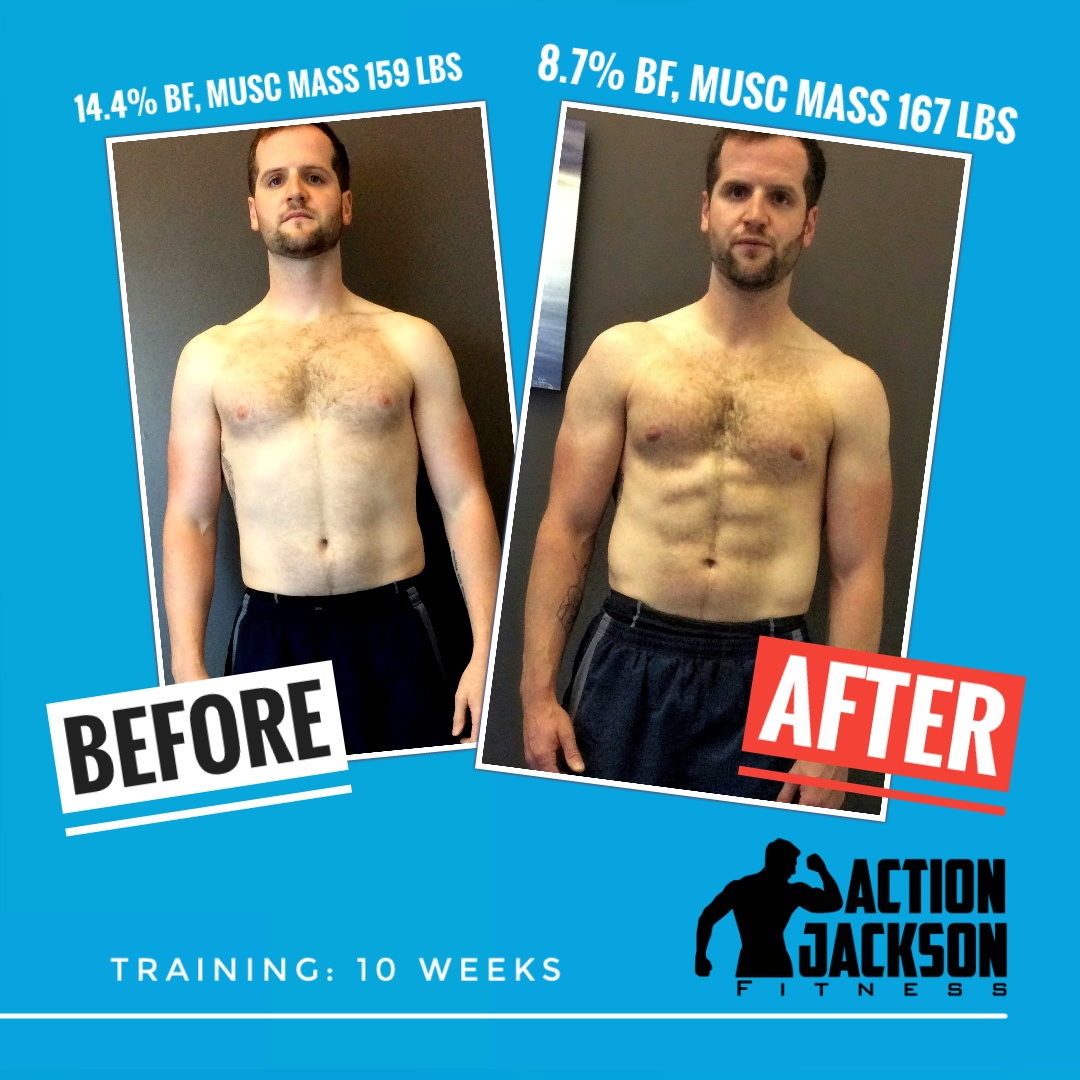

Building muscle mass is more than just lifting heavier weights – it’s about understanding your body, refining your approach, and applying scientifically backed strategies to maximize your gains. Whether you’re a beginner or an experienced gym-goer, mastering the art of building muscle mass requires dedication, knowledge, and consistency. This comprehensive guide explores key aspects that fuel muscle growth and provides actionable insights to help you achieve your fitness goals faster and more effectively.
Optimizing Your Diet for Muscle Growth
When it comes to building muscle mass, diet plays an arguably more important role than the actual workouts themselves. Your nutritional intake supplies the building blocks necessary for muscle repair, growth, and recovery. To optimize your diet, focus on consuming a balanced blend of macronutrients—proteins, carbohydrates, and fats—tailored to your personal energy needs. Proteins, especially, are crucial as they provide amino acids which are the essential components for muscle synthesis. Prioritize high-quality sources like lean meats, dairy, eggs, and plant-based options like legumes and tofu.
Furthermore, timing your meals around your workouts can significantly influence muscle development. Eating a protein-rich meal or shake shortly after training can enhance muscle repair and stimulate growth. Not only should you focus on what you eat, but also on sustaining a slight caloric surplus—eating slightly more calories than you burn ensures your body has enough energy to build new tissue. Hydration cannot be overlooked either; water is vital for maintaining muscle function and recovery, especially as intense training can lead to significant fluid loss. Balancing your diet with nutrient-dense foods, proper meal timing, and adequate hydration will set the foundation for building muscle mass more efficiently.
Effective Weight Training Strategies to Build Muscle Mass
:max_bytes(150000):strip_icc()/Health-GettyImages-1487852004-4d3d129aa49642e7a1128870bde815d4.jpg)
Lifting weights is the cornerstone of building muscle mass, but how you structure your training sessions can dramatically influence results. One effective strategy involves prioritizing compound movements—such as squats, deadlifts, bench presses, and pull-ups—to engage multiple muscle groups simultaneously. These exercises not only allow you to lift heavier weights but also promote greater hormonal responses that facilitate muscle growth. Programming your workouts with a focus on progressive overload—gradually increasing the weight or difficulty—is critical for continuous gains.
Beyond the exercise selection, workout variables like volume, intensity, and rest periods need careful consideration. High-volume routines—performing multiple sets and reps—maximize muscle hypertrophy, particularly when combined with moderate to high intensities. Incorporating different rep ranges (e.g., 6-12 for hypertrophy, 1-5 for strength) can optimize muscle development across different training phases. Rest intervals should strike a balance between muscular recovery and maintaining workout intensity; typically, 60-90 seconds between sets works well for hypertrophy. Personalizing your training program, staying consistent, and pushing your limits through progressive overload are fundamental in building muscle mass sustainably.
The Role of Rest and Recovery in Muscle Development
While lifting and nutrition are vital, the often-underestimated aspect of building muscle mass is adequate rest and recovery. Muscles do not grow during workouts; instead, they grow during periods of rest when your body repairs the microscopic tears caused by lifting. Ensuring enough sleep—generally 7-9 hours per night—is fundamental because during deep sleep, your body produces growth hormone and testosterone, both essential for muscle synthesis.
Recovery also involves strategic rest days and active recovery to prevent overtraining, which can hinder progress and increase injury risk. Listening to your body is key—pushing too hard without allowing proper recovery may lead to plateaus or setbacks. Practices like stretching, foam rolling, and massage can enhance blood flow, reduce muscle soreness, and promote quicker recovery. Incorporating rest as an integral component of your training cycle ensures sustained progress in building muscle mass, enabling your muscles to grow stronger and larger over time.
Supplementation to Enhance Muscle Building: What Works?
Supplements can be useful tools in your building muscle mass journey, especially when used in conjunction with proper diet and training. Creatine monohydrate, for example, is widely supported by research for its ability to rapidly increase energy availability during high-intensity efforts, leading to greater strength and muscle gains over time. Protein powders, such as whey or plant-based alternatives, offer convenient ways to meet daily protein requirements, particularly when whole foods might be lacking. Other supplements like branched-chain amino acids (BCAAs), beta-alanine, and caffeine can support workout performance, reduce fatigue, and promote recovery.
However, it is essential to approach supplementation with a critical eye, recognizing that they are intended to complement—not replace—fundamental principles like quality nutrition and progressive overload. Many myths circulate about miracle supplements, but science consistently emphasizes the importance of a solid foundation before relying on additional aids. Always consult with healthcare professionals or registered dietitians before adding new supplements to your routine. Wise use of evidence-backed supplements can serve as helpful leverage in building muscle mass, but they should never substitute consistent effort and proper nutrition.
Debunking Myths About Building Muscle Mass
The world of fitness is rife with myths about building muscle mass, many of which can lead beginners astray and generate false expectations. One common misconception is that lifting light weights with high repetitions results in muscle tone without size—however, muscle hypertrophy actually benefits from heavier weights with moderate reps. Another myth is that you need to spend hours in the gym every day; in reality, quality workouts coupled with proper recovery are more effective than endless hours of training.
Some also believe that spot reduction—targeting fat loss in specific areas—leads to local muscle growth, but fat loss occurs systemically, while muscle growth is driven by training the muscle group itself. Additionally, many think that supplements alone will quickly transform their physique, ignoring the importance of diet and progressive training. Dispelling these myths enables realistic expectations and sustained motivation, which are crucial for long-term success in building muscle mass. Embracing evidence-based practices and staying educated about fitness helps prevent setbacks born of misinformation and fosters steady progress toward your goals.
Progressive Overload – The Key to Long-Term Muscle Growth
At the heart of building muscle mass lies the principle of progressive overload—continually challenging your muscles beyond their usual capacity to force adaptation and growth. This can be achieved by increasing the weight lifted, adding more sets or reps, or reducing rest periods to intensify the effort. Consistently pushing the boundaries ensures your muscles do not plateau, which is a common obstacle in long-term muscle development.
Implementing progressive overload requires careful planning to avoid injuries and overtraining. Keeping a workout journal can help track progress and identify when it’s time to increase intensity. The goal is a gradual and sustainable progression, aligning with your body’s capacity to adapt. Additionally, varying your training stimulus—by changing exercise angles, tempos, or resistance methods—can stimulate new muscle fibers and prevent stagnation. Mastering progressive overload is essential for building muscle mass over months and years, transforming not just your body’s size, but also its strength, endurance, and overall functionality.
Conclusion
In conclusion, effectively building muscle mass involves a multifaceted approach encompassing optimized nutrition, strategic training, adequate rest, thoughtful supplementation, myth-aware education, and a commitment to progressive overload. Combining these elements creates a synergistic effect that accelerates muscle growth, enhances strength, and improves body composition. Success in muscle development is a journey rooted in consistency, patience, and science-based practices. By understanding and applying these principles, you can unlock your full potential and achieve a more muscular, resilient, and healthy body.