
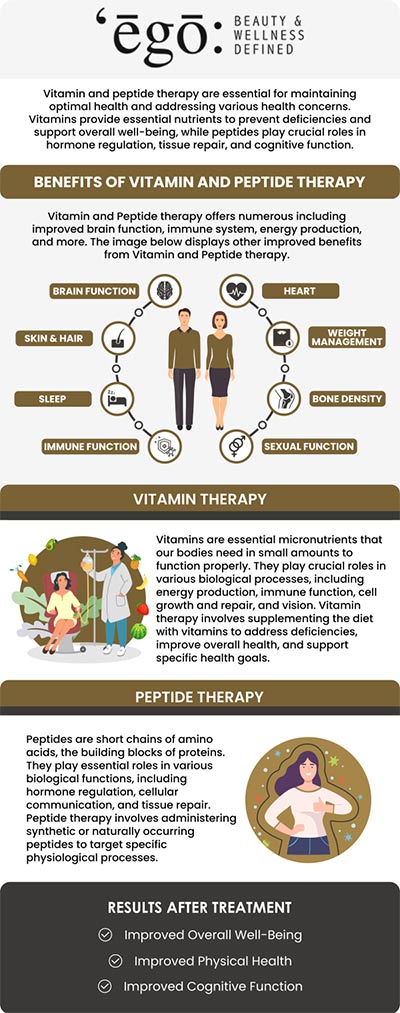
Peptide therapy has emerged as a promising frontier in the realm of personalized medicine, offering targeted solutions for aging, vitality, and overall wellness. This innovative approach leverages small chains of amino acids—peptides—to influence various biological pathways, fostering regeneration and balance at a cellular level. As more individuals seek holistic and minimally invasive health interventions, peptide therapy stands out as a compelling option, combining scientific rigor with personalized care to optimize health outcomes.
Peptide Therapy: An Overview of Mechanisms and Applications
Peptide therapy operates through the administration of peptides designed to mimic or modulate natural biological functions. These peptides act as messengers within the body, binding to receptors on cells to trigger specific responses such as tissue repair, immune modulation, or hormone regulation. The versatility of peptides stems from their ability to target particular pathways, making them suitable for a wide range of therapeutic applications from anti-aging to muscle building.
In medical practice, peptide therapy is increasingly used to address conditions like chronic fatigue, autoimmune diseases, and hormone deficiencies. Its applications extend into aesthetic medicine, where peptides help improve skin elasticity and reduce wrinkles, as well as sports medicine for enhancing recovery and performance. The adaptability of peptide formulations allows customization based on individual health goals, which positions peptide therapy as a personalized approach to health optimization.
The Science Behind Peptide Therapy: A Detailed Exploration
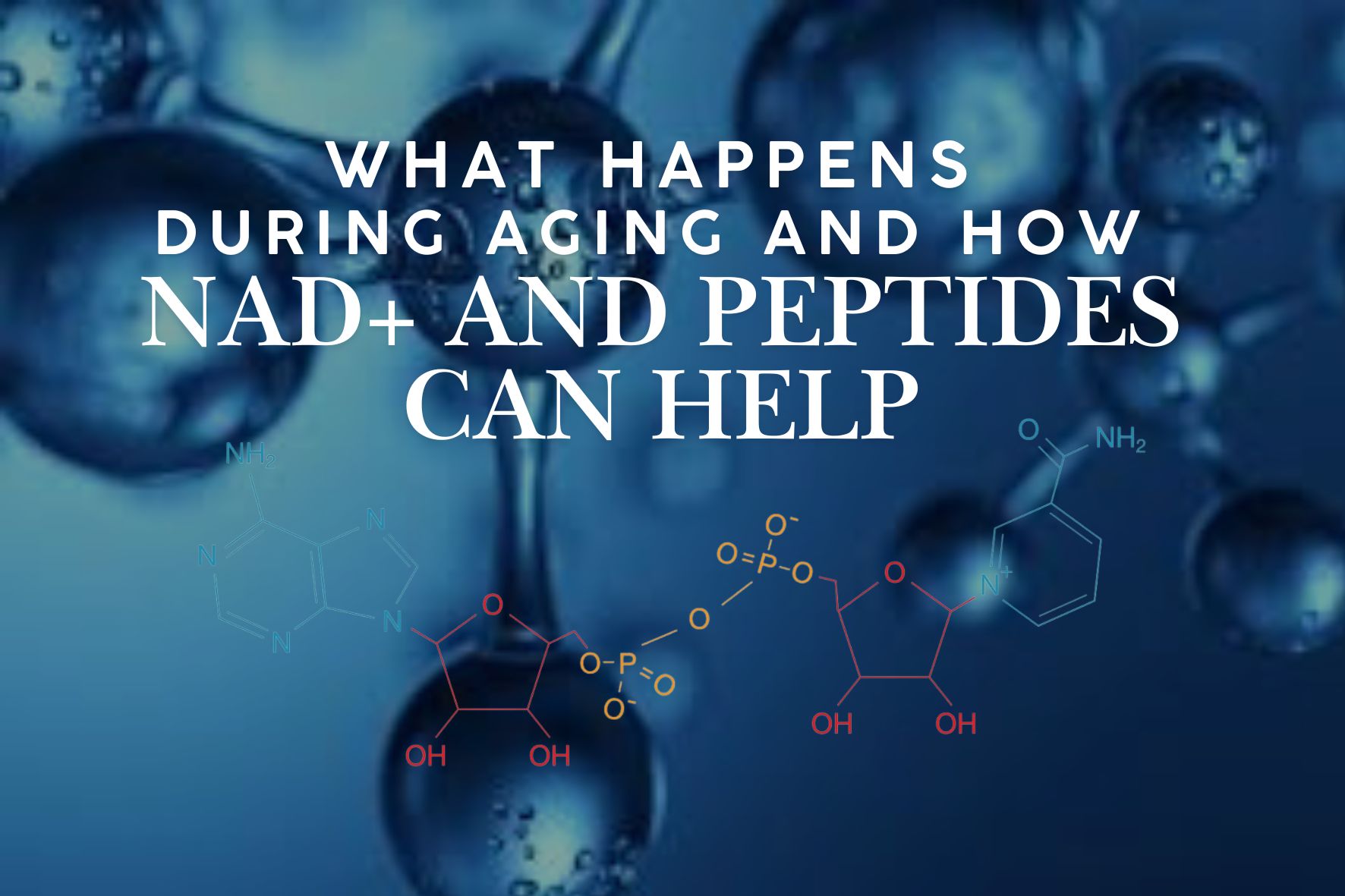
At its core, peptide therapy harnesses the body’s natural communication system—cell signaling mediated by peptides. Researchers have identified numerous peptides that influence vital processes such as growth hormone release, immune response, and cellular repair. When introduced into the body, these synthetic or natural peptides can augment or restore these functions, leading to improved health outcomes. The scientific underpinning involves understanding receptor binding, signal transduction pathways, and the downstream effects that ultimately foster cellular regeneration and homeostasis.
Moreover, advancements in biotechnology have enabled the production of highly specific peptides with enhanced stability and bioavailability. This refinement minimizes side effects and maximizes therapeutic efficacy. The intricate mechanisms by which peptides modulate biological pathways demonstrate a sophisticated level of intervention that transcends traditional pharmaceuticals—offering a nuanced and targeted method for disease prevention and health maintenance. Ongoing research continues to uncover new peptides with potential therapeutic benefits, broadening the horizons of peptide therapy.
Benefits of Peptide Therapy – Exploring the Potential Health Outcomes
One of the most compelling aspects of peptide therapy is its multifaceted capacity to promote health and longevity. Patients often report increased energy levels, improved mental clarity, and better sleep—benefits that are crucial for overall well-being. Furthermore, peptides stimulate natural hormone production, thus supporting metabolic health, muscle preservation, and fat loss. Their ability to enhance cellular repair mechanisms also makes them promising candidates for anti-aging strategies, targeting skin elasticity, wrinkle reduction, and immune functionality.
Beyond aesthetic improvements, peptide therapy offers tangible health benefits, including improved cardiovascular health and enhanced immune defense. The potential to repair damaged tissues, reduce inflammation, and accelerate healing processes provides a comprehensive approach to managing age-related decline. Importantly, the relatively low risk profile of peptide treatments, when properly administered, makes them an attractive option for long-term health management. As research continues, the full spectrum of benefits is expected to expand, positioning peptide therapy as a vital tool in the quest for sustained vitality.
Peptide Therapy and Aging – Unlocking the Potential for Longevity
The prospect of extending healthspan through peptide therapy resonates strongly with those seeking to age gracefully. Certain peptides, such as sermorelin and thymosin alpha-1, have been shown to stimulate the production of growth hormones and enhance immune function—both critical factors in combating age-related deterioration. By activating cellular repair and regeneration processes, peptide therapy holds promise in mitigating the physical signs of aging and promoting a more youthful vitality at any age.
Importantly, the personalized nature of peptide interventions allows for tailored approaches to aging. Some peptides support joint health, bolster bone density, or improve skin elasticity, directly targeting commonly experienced age-associated declines. While no therapy can halt aging entirely, peptide therapy offers measurable improvements in health markers and quality of life, making it an exciting avenue for those committed to longevity and sustained well-being. The ongoing research into aging-related peptides invites hope that future innovations could further redefine the aging process.
Safety and Efficacy of Peptide Therapy – A Critical Assessment
As with any emerging medical treatment, peptide therapy warrants careful evaluation concerning its safety and efficacy. Peer-reviewed studies and clinical trials indicate that when administered under professional supervision, peptide treatments generally have a favorable safety profile, with minimal side effects. However, since the market is still relatively young, concerns about quality control, sourcing, and long-term outcomes remain. It underscores the importance of engaging qualified healthcare providers who can tailor and monitor therapy accordingly.
From an efficacy standpoint, many patients report noticeable improvements, yet individual responses vary based on factors such as genetics, lifestyle, and underlying health conditions. While anecdotal evidence is strong in many cases, rigorous scientific data still requires expansion through larger, well-controlled studies. Therefore, prospective users should balance enthusiasm with caution, seeking evidence-based options and products that adhere to pharmaceutical standards. As research advances, clearer guidelines and standardized protocols are likely to emerge, solidifying peptide therapy’s role in mainstream medicine.
Peptide Therapy – Current Research and Future Directions
The landscape of peptide therapy is rapidly evolving, driven by rapid technological innovations and expanding scientific understanding. Current research explores novel peptides that target complex diseases like neurodegeneration, metabolic disorders, and cancer. There’s also increasing focus on using peptides for personalized medicine, tailoring treatments based on individual genetic profiles to maximize benefits and mitigate risks. This approach aims to make peptide therapy more precise and effective for a wider range of health conditions.
Looking ahead, the future of peptide therapy appears promising, with emerging technologies such as nanotechnology and artificial intelligence poised to optimize peptide design and delivery. Integrating peptide therapy with regenerative medicine and gene editing could revolutionize disease prevention and health maintenance. Moreover, ongoing clinical trials are essential for establishing standardized protocols and expanding approval for various therapeutic peptides. As this field matures, it is likely to become integral to personalized, preventive, and restorative medicine, offering sustainable solutions for enhancing healthspan and lifespan.
Conclusion
Peptide therapy represents a remarkable convergence of science and personalized medicine, offering targeted solutions to enhance vitality, combat aging, and improve overall health. Its mechanisms—centering around cellular communication and regeneration—enable a wide spectrum of applications, from immune support to skin rejuvenation and beyond. While the safety and efficacy of peptide treatments continue to be studied, promising results and ongoing innovations suggest that peptide therapy could play a transformative role in future healthcare paradigms. As research progresses and regulatory standards solidify, peptide therapy is poised to become an accessible, effective, and customizable approach for supporting lifelong health and well-being.